
Biologics for Nasal Polyps: An Alternative to Repeat Sinus Surgery?
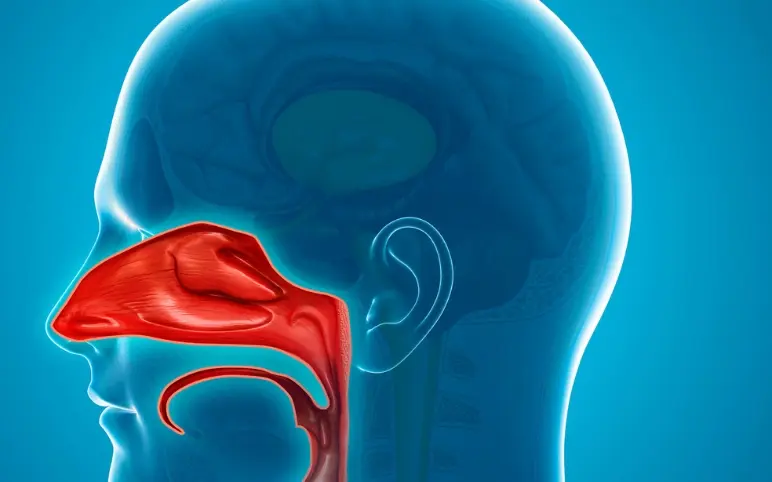
Nasal polyps are a common cause of persistent nasal blockage, loss of smell, facial pressure, and chronic sinus symptoms. For some patients, symptoms improve with medication or surgery, but others experience ongoing inflammation and recurrence despite treatment.
In recent years, a newer group of treatments known as biologics has emerged as an important option for selected patients with severe or recurrent nasal polyps.
As a Consultant ENT Surgeon specialising in rhinology, Mr Karan Jolly provides specialist assessment and management of chronic sinus disease, including both surgical and biologic treatment options.
What Are Nasal Polyps?
Nasal polyps are soft, inflammatory growths that develop within the lining of the nose and sinuses.
They are commonly associated with:
chronic sinusitis
asthma
allergies
inflammatory conditions affecting the airways
Symptoms can include:
blocked nose
reduced or lost sense of smell
facial pressure
recurrent sinus infections
poor sleep quality
For some patients, polyps become recurrent despite treatment.
Traditional Treatment for Nasal Polyps
Initial treatment usually involves:
steroid nasal sprays or drops
saline rinses
short courses of oral steroids
When symptoms remain severe or polyps cause significant obstruction, endoscopic sinus surgery may be recommended.
Surgery aims to:
remove polyps
improve sinus drainage
restore airflow
allow medication to reach the sinus cavities more effectively
However, in some patients, polyps can return over time because of ongoing inflammation within the immune system.
What Are Biologics?
Biologics are a newer type of medication designed to target specific inflammatory pathways involved in chronic sinus disease and nasal polyps.
Unlike standard medications, biologics work in a more targeted way by interrupting the immune signals that drive inflammation.
These treatments are typically given as injections and may help reduce:
nasal blockage
polyp size
sinus inflammation
loss of smell
Who May Benefit from Biologic Treatment?
Biologics may be considered in patients who:
have severe recurrent nasal polyps
continue to experience symptoms after ADEQUATE/COMPREHENSIVE surgery
require repeated courses of oral steroids
have associated asthma or inflammatory disease
Not every patient is suitable, and careful assessment is important before deciding whether biologic therapy is appropriate.
Surgery or Biologics: Which Is Better?
There is no single answer for every patient.
Patients benefit significantly from surgery, particularly where there is extensive blockage within the sinuses. Others may benefit more from biologic treatment aimed at controlling underlying inflammation.
In many cases, treatment is not simply “surgery or biologics” but part of a broader long-term management strategy.
Specialist assessment helps determine:
severity of disease
extent of sinus involvement
inflammatory pattern
previous treatment history
This allows treatment to be tailored appropriately.
A Modern Approach to Nasal Polyp Treatment
Management of nasal polyps has evolved significantly in recent years.
A specialist rhinology approach involves considering:
medical management
surgery
biologic therapies
long-term inflammatory control
This helps ensure treatment is based on the individual patient’s condition rather than a one-size-fits-all approach.
Frequently Asked Questions
What are biologics for nasal polyps?
Biologics are targeted medications designed to reduce inflammation involved in chronic sinus disease and nasal polyps.
Can biologics replace sinus surgery?
In some patients biologics may reduce the need for surgery, while others may still benefit from surgical treatment. The best approach depends on the individual case.
Are biologics permanent treatment?
Biologic therapies are usually part of longer-term management and require ongoing review by a specialist.
Can nasal polyps return after surgery?
Yes; polyps can recur, particularly in patients with significant underlying inflammation or previous limited surgery.
Book a Consultation
If you are experiencing recurrent nasal polyps, ongoing sinus symptoms, or loss of smell, a consultation with Mr Karan Jolly can help determine the most appropriate treatment approach.


Comments